PADI 5-star centre · Grande Island

Shipwrecks, reefs and first dives.

From your first breath underwater to advanced wreck certification, we’ve been diving Goa’s waters since 2009. Small boats, unhurried briefings, and instructors who dive here every week of the season.

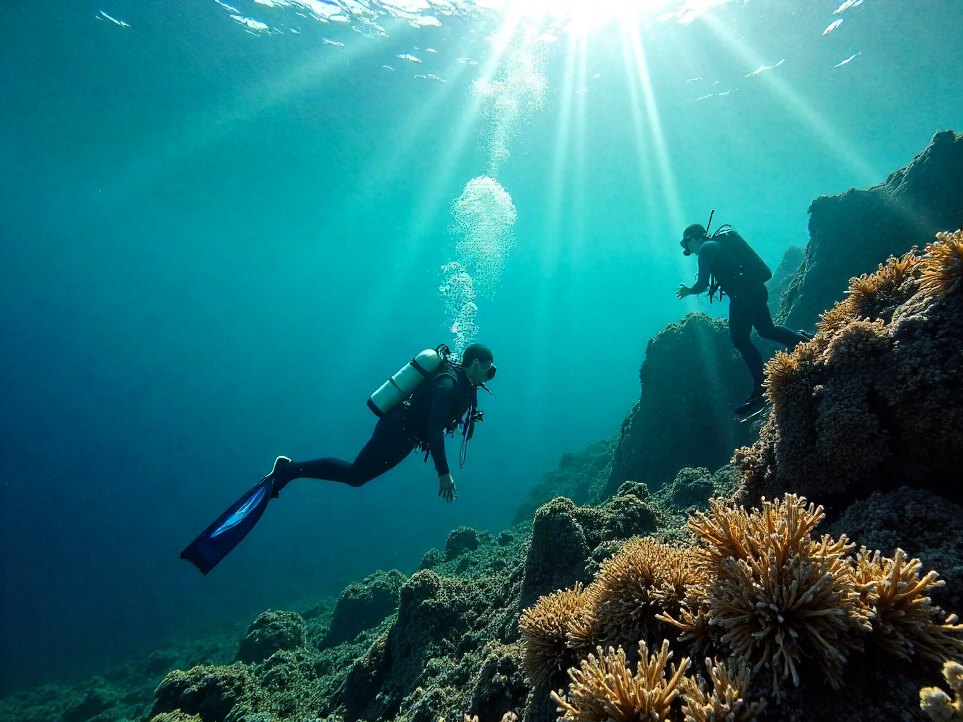
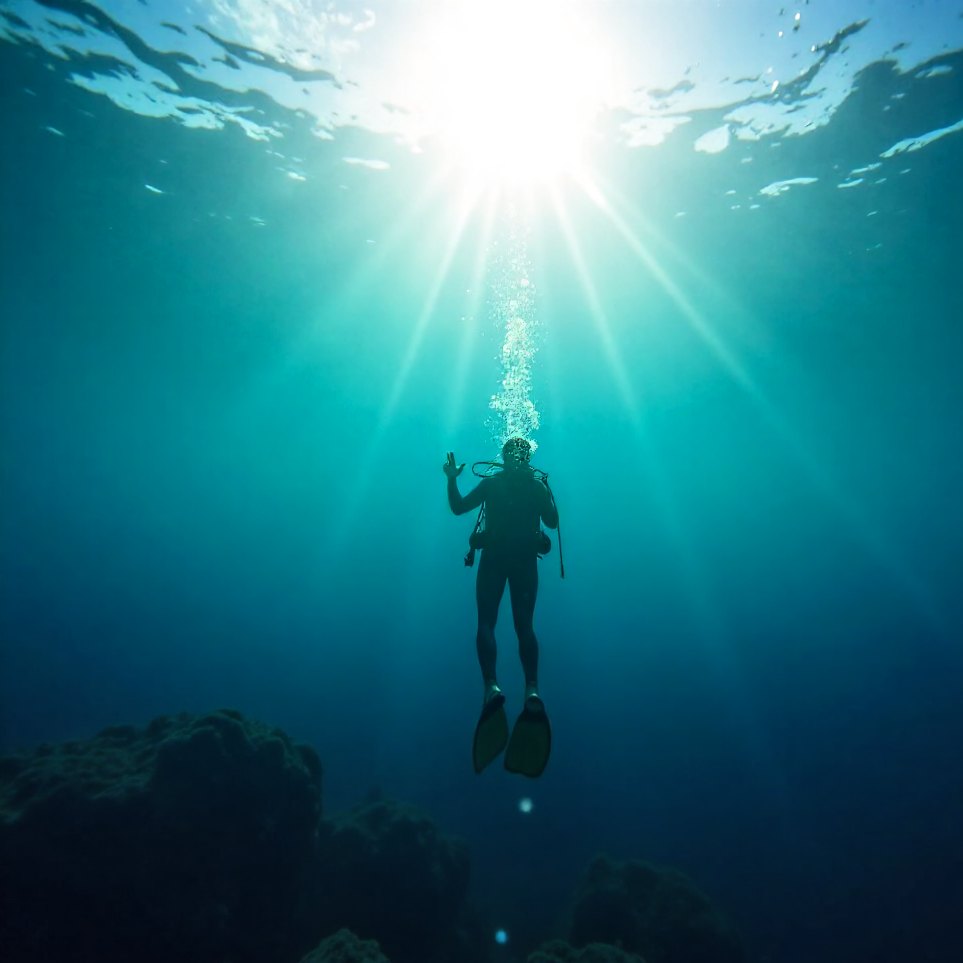
A diver drifting above the broken hull of a wreck off Grande Island
4
Students per instructor on courses
18m
Deepest point on a certified wreck dive
Oct–May
Open season, closed through the monsoon
The sites

Where we actually dive.

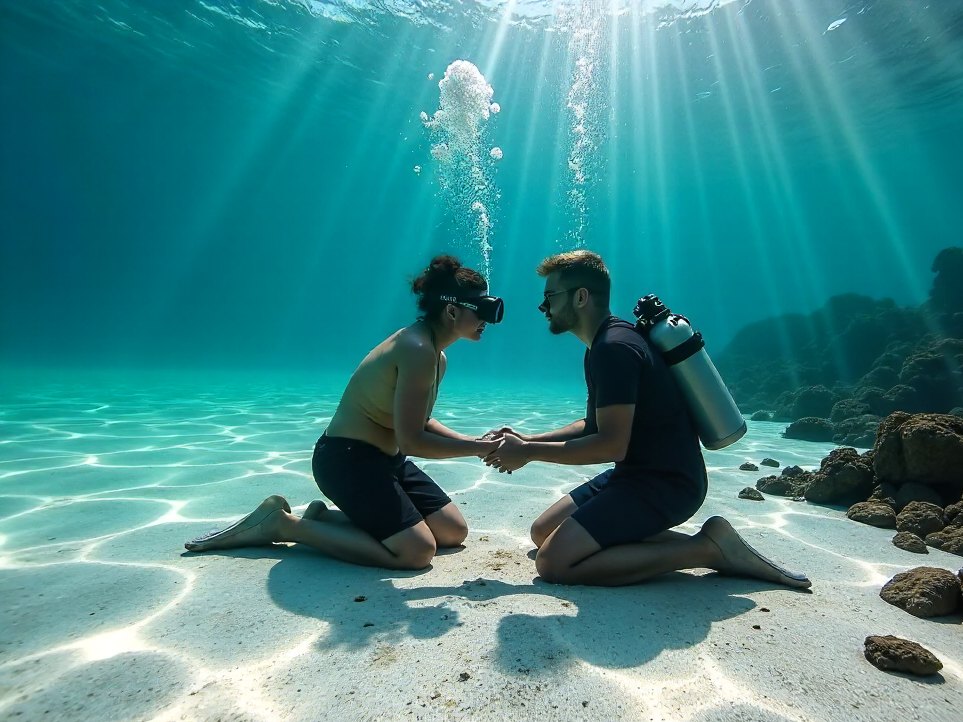
An instructor and a student kneeling on sand in shallow water
Site 1 · 10m

Bounty Bay

Sand and scattered rock at 10m — where confined-water skills are signed off.

A sheltered shallow reef with divers and small reef fish
Site 2 · 12m

Davy Jones’ Locker

Shallow at 12m, sheltered, and the site most first dives happen on.

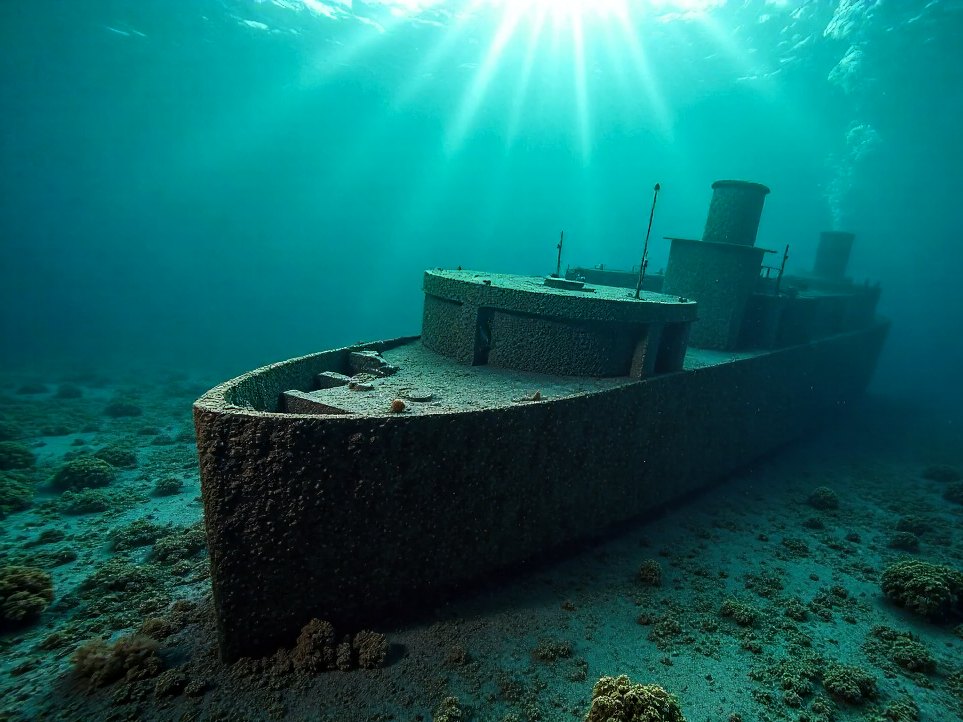
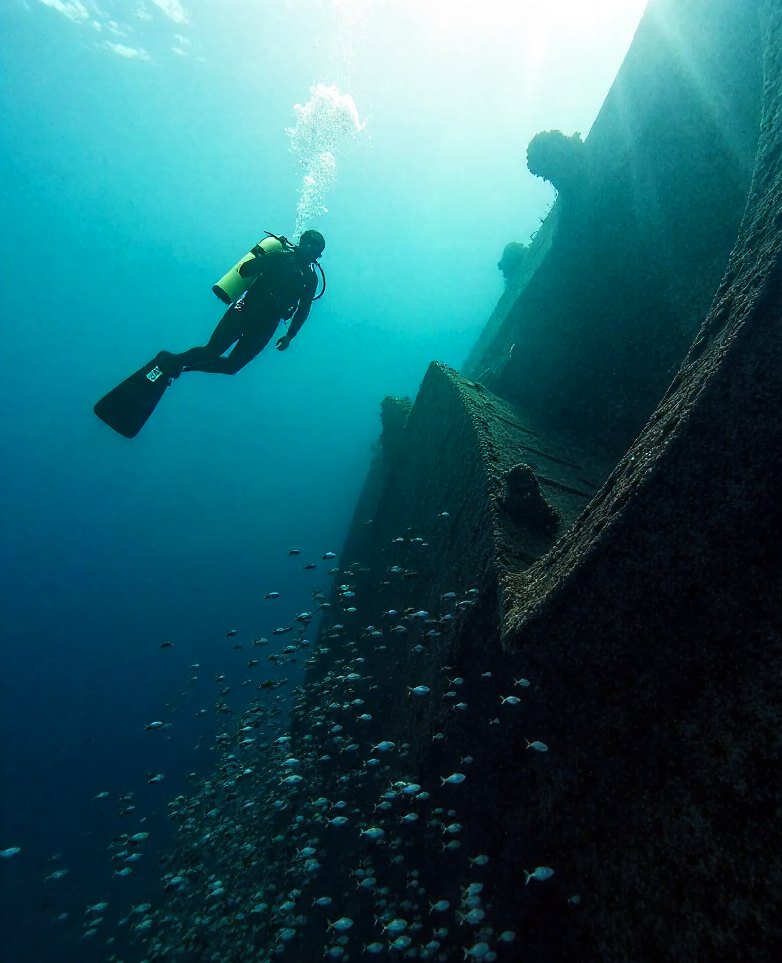
A section of the steamer wreck thick with glassfish
Site 3 · 18m

Suzy’s Wreck

A 1930s cargo steamer at 18m, broken into three sections and thick with glassfish.

The water

Six sites, chosen on the morning.

Six sites in regular rotation around Grande Island, including Umah Gumah Reef, the Grande Plateau and Sail Rock, a pinnacle dropping to 22m for certified divers only. Which you get depends on visibility and swell on the morning, not on a schedule printed in advance.

November to February brings the best visibility, 12–18m, and calm seas. March to May is the warmest water, with 8–14m. June to September is the monsoon, and we are closed.
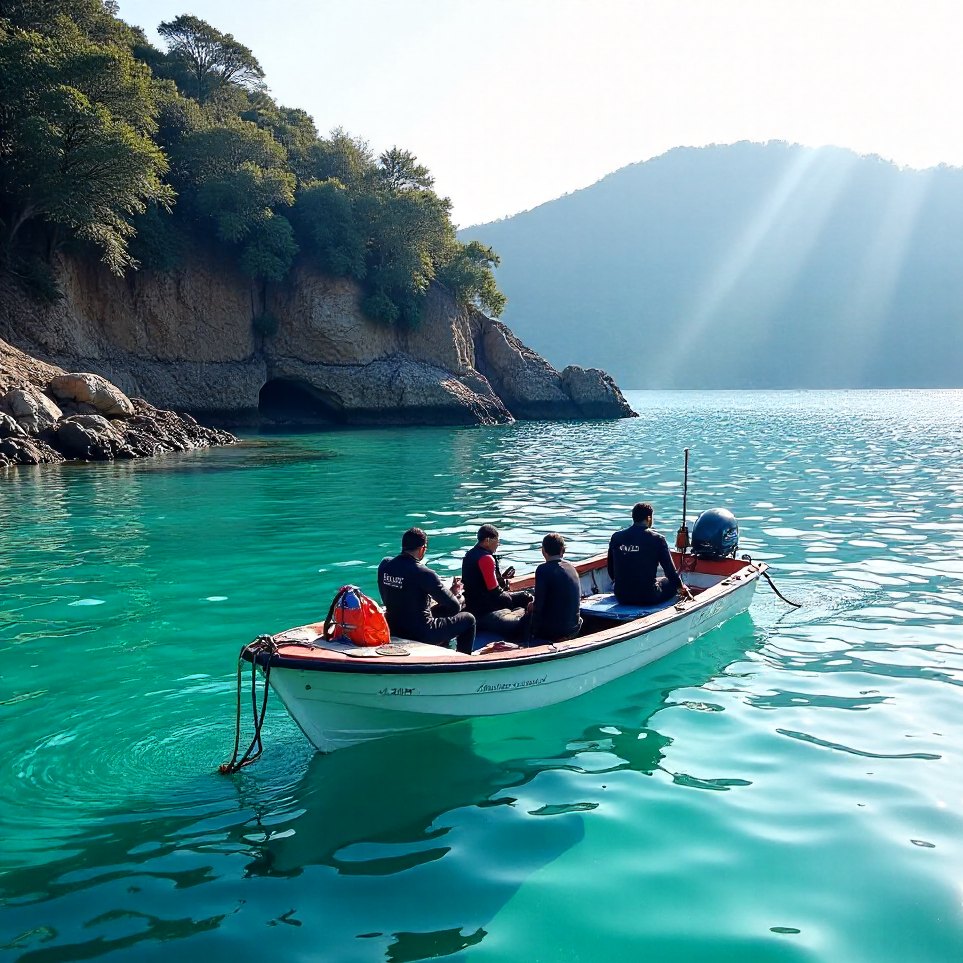
Grande Island from a small dive boat on a calm morning
On the boat

Boats leave at 07:30.

1st

A first dive

Pool swim and float test on day one

Skills on sand at Bounty Bay, then the sheltered reef at Davy Jones’ Locker.

18m

Certified wreck and reef dives

Certified divers only · card required

Two divers per guide on wreck dives, with sites chosen on the morning.

PADI

Courses, first breath to advanced wreck

Kit included in the course fee

Four students per instructor, with two instructors and a boat handler on every trip.

A day on the water

Small boats, unhurried briefings.

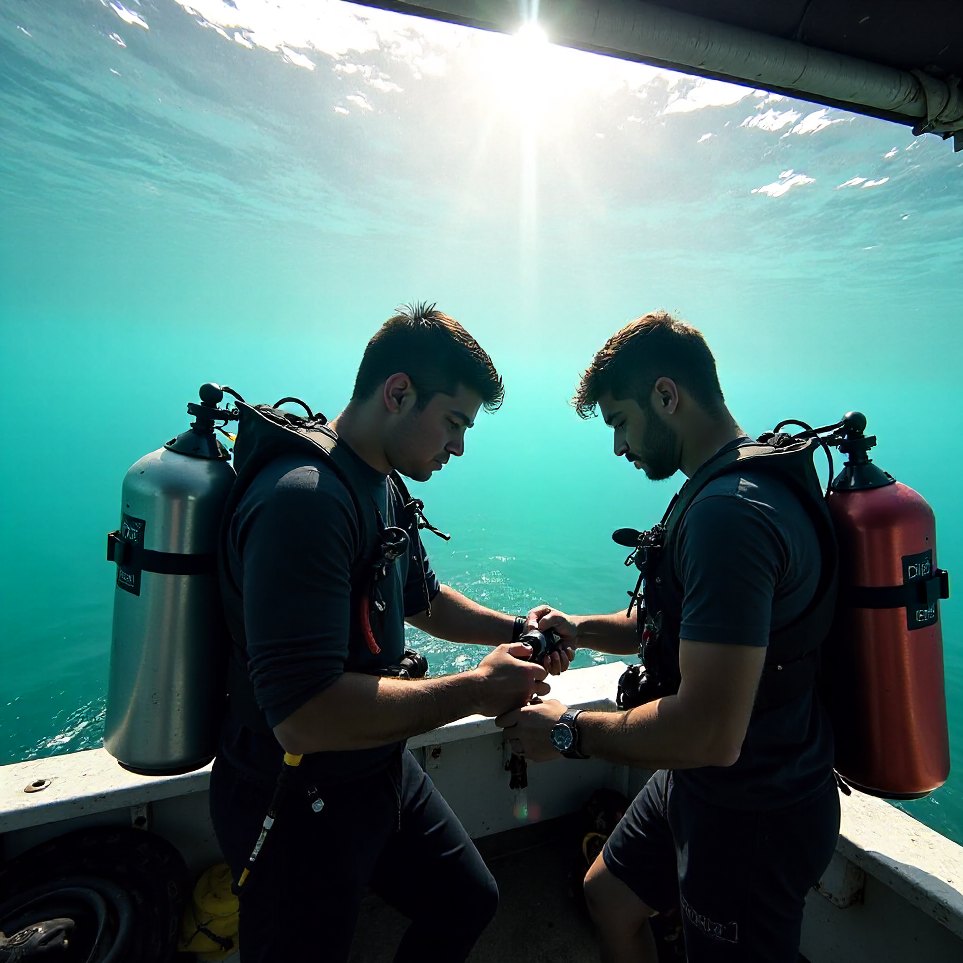
Divers kitting up on the boat before the first dive
Kitting up on the boat
A diver silhouetted against the surface light
Looking back at the surface
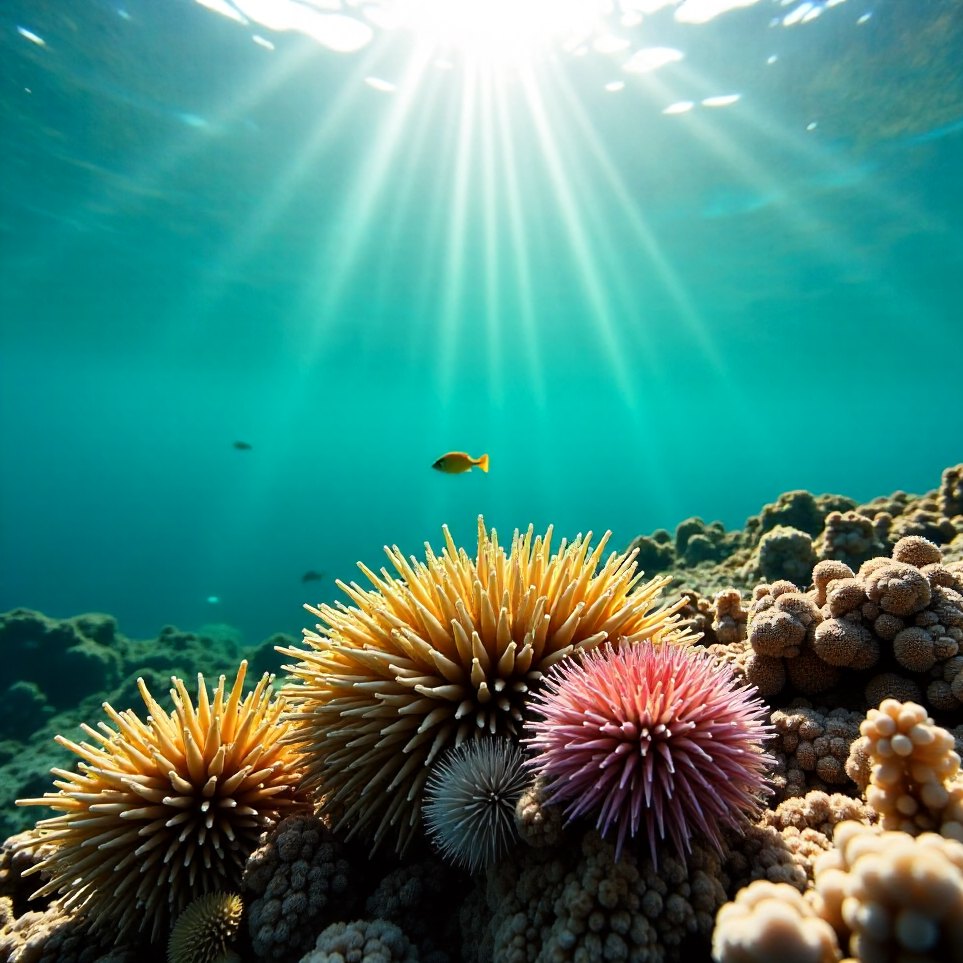
Coral and reef fish on a rocky reef
The reef off Grande
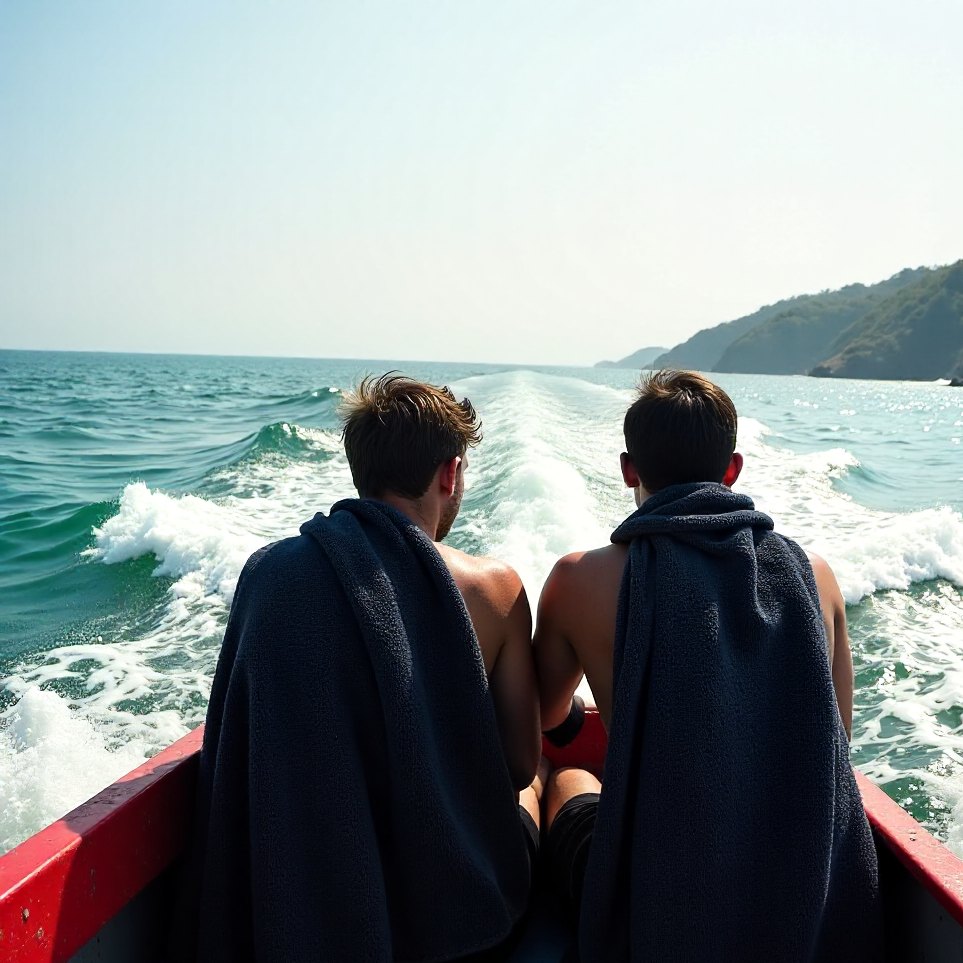
The boat running back towards Baina with wet divers wrapped in towels
The run back to Baina

Nobody is graded and nobody is rushed. But diving is a physical activity and the honest answer matters more than the encouraging one.

From the briefing

Goa Scuba & Dive Co.

Before you travel

What we expect, and what to bring.

Everything technical is included in your course fee. Read the safety standards before you book — we would rather you arrive knowing what we expect than find out on the jetty.

A 200m unaided swim

Tested in the pool on day one, with a ten-minute unassisted float in the same session.

Twelve hours without a drink

The minimum since your last alcoholic drink before you dive.

Your certification card

Certified dives only — a digital card in the PADI app is fine, a photo of it is not.

Swimwear worn under clothes

Boats leave at 07:30 and there is no changing room at the jetty. Arrive ready.

Reef-safe sunscreen only

Oxybenzone bleaches the coral we take you to see. We sell a reef-safe SPF50 at cost if you forget.

A towel and a dry layer

Even in April the run back to Baina is cold at speed once you are wet.

October to May

Read the safety standards before you book.

Two instructors and a boat handler on every trip, whatever the group size. Closed through the monsoon.

Scroll to Top